


Carbon Steel Plate
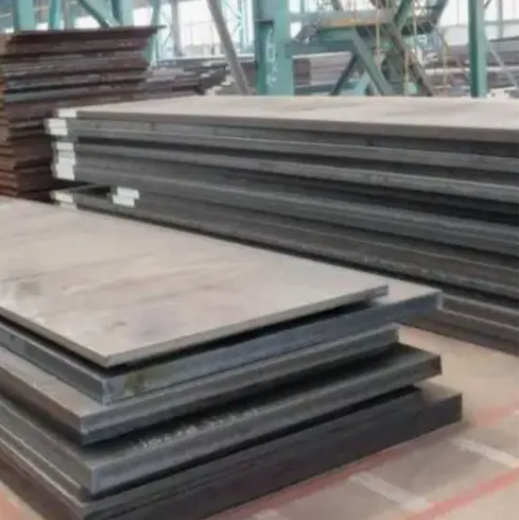
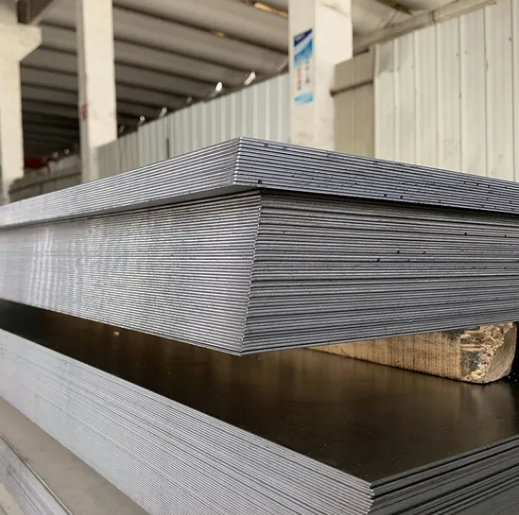
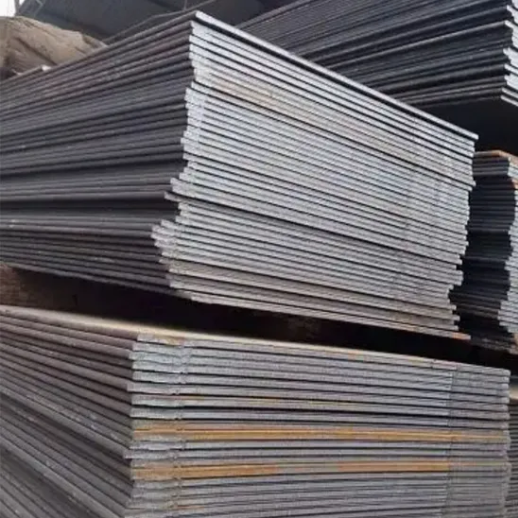
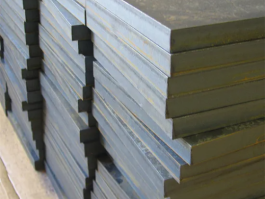
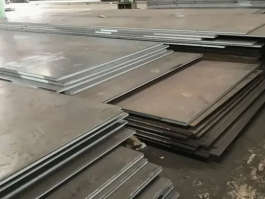
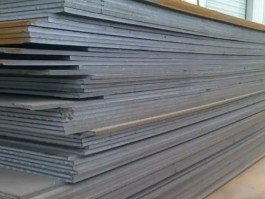
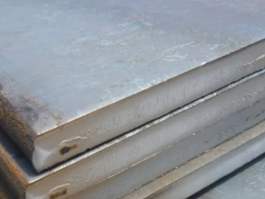
ASTM A537 standard refers to pressure vessel plates, material in heat-treated, carbon-manganese silicon steel. Based on different strength and heat treatment, it ranges to Class 1, 2 and 3. ASTM A537 Class 1 plates are supplied in the normalised condition whilst Class 2 plates are quenched and tempered.

Thickness | 0.4-80mm | 0.015"-3.14" inch |
Width | 100-3500mm | 3.93"-137" inch |
Length | 1-18m | 39"-708" inch |
Surface | Oiled, Black Painted, Shot Blasted, Hot Dipped Galvanized, Checkered, etc. | |
Process | Cutting, Bending, Polishing, etc. | |
Application | Pressure vessel plate, Boiler plate for high temperature service, etc. | |
*Here are normal size and standard, special requirements please contact us | ||

Xin Ya Heng International is a leading steel manufacturing and trading company based in China, with 16 years of extensive experience in the industry as a top-tier producer and exporter.
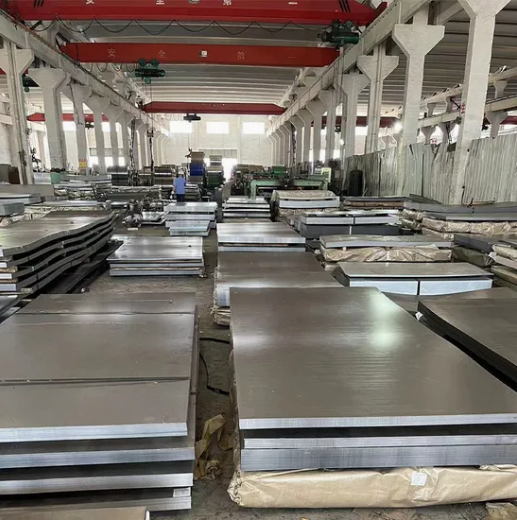
Our production facilities are equipped with state-of-the-art machinery, including large blast furnaces, modern converters, efficient continuous casting machines, and precision rolling lines. This advanced infrastructure allows us to guarantee the high quality and consistency of all the steel products we supply.


We are Xin Ya Heng International Company, a manufacturing and trading company from China with 16 years of experience, and a leading steel producer/exporter. Our customers are from Africa, the Americas, Europe, and other regions.


Uses of Carbon Steel Plates
Carbon steel plates are widely used in many fields such as construction, machinery, and transportation, depending on their carbon content, processing technology, and performance differences. The following are the main classifications of their uses and typical application scenarios:
1. Construction and Infrastructure
Steel Structure Buildings: Such as house beams, roof panels, wall panels, and high-rise building towers, high-strength carbon steel plates such as A36 medium-thick steel plates are used to ensure the stability of the load-bearing structure.
Bridge Engineering: Used for main beams, cross beams, and connectors, which must have both high strength and corrosion resistance.
2. Mechanical Manufacturing
Low-carbon steel plates (carbon content <0.25%): Used for stamping parts (such as containers, instrument housings) and carburized parts (such as gears, pins), because of their good plasticity and strong weldability.
Medium-carbon steel plates (carbon content 0.25%-0.55%): After quenching and tempering, they are used to manufacture shafts, bolts, sleeves, etc., and surface quenching can improve wear resistance, suitable for high-load parts such as gears.
3. Transportation and Energy Vehicle Manufacturing
Medium and thick carbon steel plates are commonly used in chassis, carriages and other structural parts. Shipbuilding and Energy Equipment: Structural carbon steel plates with excellent toughness are required for hull structures and large motor housings.
4. Tools and Special Parts High Carbon Steel Plates (Carbon Content>0.6%)
Used for springs (such as valve springs, leaf springs) and high-hardness tools after quenching. Ordinary Carbon Steel Plates: Such as Q195 steel, used in low-strength demand scenarios such as anchor bolts, rivets, and protective covers. Summary: The core difference in the use of carbon steel plates comes from the carbon content. From the toughness requirements of building structures to the high-strength requirements of mechanical tools, its classification (low carbon, medium carbon, high carbon) directly corresponds to different industrial scenarios.


 Liushenyu
 XINYAHENG
